What Is Integrated Solid Waste Management?
Integrated solid waste management is one of the most important environmental practices of modern society, yet it is often misunderstood. As communities grow and consumption increases, the demand for reliable waste solutions rises as well. This is where the principles of integrated solid waste management become essential.
Many cities today depend on strategies that combine recycling, composting, energy recovery, waste reduction, and the growing industry of solid waste management and dumpster rentals. These combined strategies help reduce pollution, protect public health, and support sustainable development.
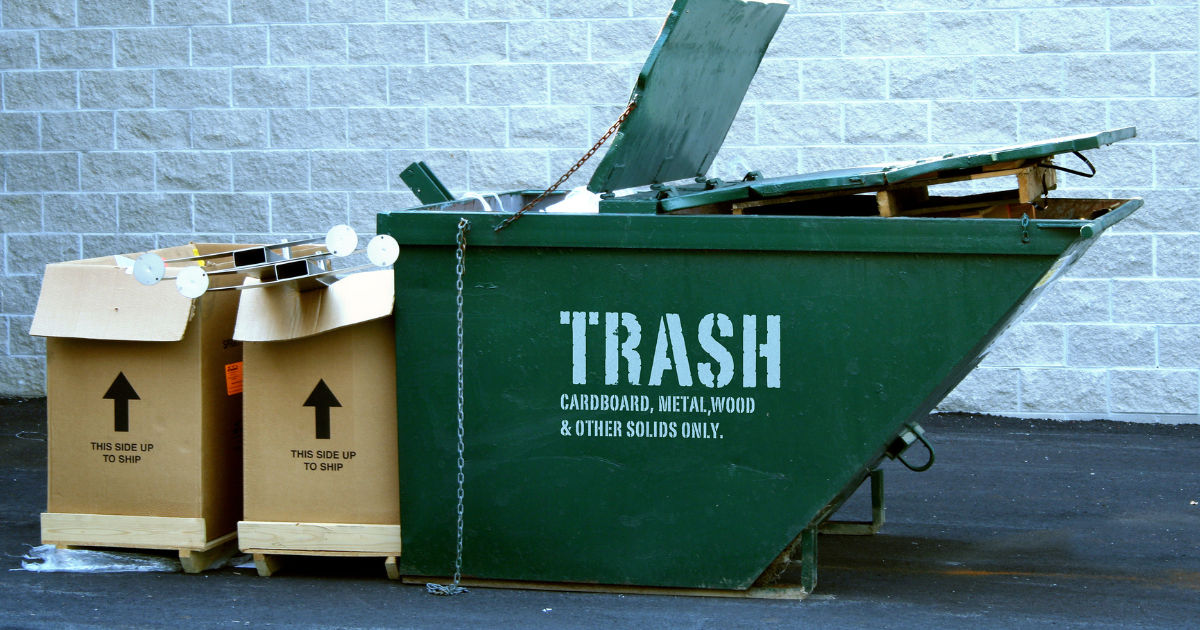
In this guide, you will learn what integrated solid waste management is, why it matters, how its different components work, and how services like solid waste management and dumpster rentals play a major role in modern environmental protection. The goal is to help any reader at a 12th-grade level understand the system clearly and practically.
Integrated Solid Waste Management
Integrated solid waste management is a systematic approach that uses multiple strategies to handle waste from its creation to its final disposal. Instead of relying on a single method, it combines prevention, recycling, composting, treatment, and disposal. Communities also depend on services such as solid waste management and dumpster rentals to support each step efficiently.
The goal is to minimize the environmental impact of waste while ensuring safe, cost-effective handling. This approach recognizes that no single method can solve the entire waste problem, so a coordinated system is necessary.
Why Integrated Solid Waste Management Matters
There are several reasons why integrated solid waste management is essential today:
1. Population Growth
As cities expand, the amount of waste produced grows rapidly. More households, businesses, and industries generate more garbage. To handle this increase responsibly, governments and private companies often rely heavily on solid waste management and dumpster rentals to support efficient disposal and recycling.
2. Environmental Protection
Uncontrolled waste leads to pollution, greenhouse gases, soil contamination, and health hazards. Integrated approaches reduce these risks by ensuring waste is treated, recycled, or safely disposed of.
3. Resource Conservation
Many materials—including paper, metals, and plastics—can be recycled or reused. Integrated solid waste management prevents valuable resources from being lost in landfills.
4. Cost Efficiency
Using multiple strategies allows communities to reduce long-term expenses. When waste is reduced at the source or recycled through organized programs, services like solid waste management and dumpster rentals become more efficient and economical for households and businesses.
5. Public Health
Proper waste handling prevents the spread of diseases, pests, and contaminated water sources. An integrated approach ensures cleaner neighborhoods and safer environments.
Core Elements of Integrated Solid Waste Management
Integrated solid waste management involves several interconnected stages. Each one plays a role in reducing waste and improving sustainability.
Waste Generation and Source Reduction
Waste generation is the first stage, and it begins at homes, schools, offices, and industries. The best way to manage waste is to reduce it at the source. This means producing less waste before it even becomes a problem.
Source reduction includes:
-
Choosing reusable items
-
Avoiding single-use plastics
-
Buying products with minimal packaging
-
Practicing mindful consumption
Reducing waste at the source decreases the need for disposal and minimizes how often individuals must depend on solid waste management and dumpster rentals for removal.
Segregation at the Source
After waste is created, it must be separated properly. Segregating waste makes recycling and composting more effective.
Typical categories include:
-
Recyclables
-
Organic waste
-
Hazardous waste
-
General trash
When waste is separated early, community programs and businesses offering solid waste management and dumpster rentals can manage disposal and recycling more efficiently.
Collection and Transportation
Waste must be collected regularly to protect public health. Collection companies and municipal workers gather garbage from homes and businesses using trucks and dumpsters. Many neighborhoods use solid waste management and dumpster rentals for bulk waste, construction projects, or seasonal clean-ups.
Efficient transportation ensures that waste reaches the correct facilities without harming the environment.
Recycling
Recycling transforms old materials into new products. This reduces energy consumption, lowers pollution, and conserves natural resources. Common recyclable materials include:
-
Glass
-
Paper
-
Plastic
-
Metal
-
Cardboard
Proper recycling programs, supported by solid waste management and dumpster rentals, encourage households and businesses to dispose of materials responsibly. Recycling centers sort and process materials to be used again in manufacturing.
Composting
Organic waste—such as food scraps, leaves, and grass clippings—can be composted to create nutrient-rich soil. Composting helps reduce the volume of waste that ends up in landfills and supports agriculture and home gardening.
Communities often create composting stations or curbside collection programs. Even large facilities rely on services such as solid waste management and dumpster rentals to collect and transport organic waste for compost processing.
Waste-to-Energy Conversion
Some waste cannot be recycled or composted but can still be used to generate energy. Waste-to-energy plants burn non-recyclable materials to produce electricity or heat. This reduces landfill use and contributes to cleaner energy solutions.
Although this method requires advanced technology, it is becoming more common in countries struggling with landfill space.
Landfilling
Although landfills are often seen negatively, they remain a necessary part of integrated solid waste management. Safe and regulated landfills are designed with protective liners and gas-collection systems to prevent pollution.
Landfills are usually the final step for waste that cannot be treated, recycled, or reused. Companies offering solid waste management and dumpster rentals help transport waste to these facilities safely.
The Role of Dumpster Rentals in Integrated Solid Waste Management
Dumpster rentals are a critical part of the overall waste system. They make it possible for households, businesses, and communities to manage waste effectively during:
-
Home renovations
-
Construction projects
-
Major cleanouts
-
Seasonal yard clean-ups
-
Industrial operations
Without solid waste management and dumpster rentals, managing large quantities of waste would be extremely difficult. Dumpsters provide safe, organized, and accessible storage points before waste is transported to recycling or disposal facilities.
Benefits of Using Dumpster Rentals
1. Convenience
Dumpster rentals give people a simple way to collect and dispose of waste. They eliminate the need for multiple trips to disposal sites.
2. Safety
Proper waste containment reduces injuries, fire hazards, and contamination. Construction sites especially depend on solid waste management and dumpster rentals to keep debris organized.
3. Environmental Responsibility
Renting dumpsters encourages proper disposal and recycling by keeping different waste streams separate.
4. Cost Management
Renting a dumpster can be more cost-effective than paying for repeated hauling services. It ensures all waste is removed at once.
How Integrated Solid Waste Management Helps Communities
Integrated approaches create cleaner and healthier communities. Here are some ways communities benefit:
Cleaner Public Spaces
Regular collection, recycling, and the support of solid waste management and dumpster rentals prevent streets from filling up with waste.
Reduced Carbon Footprint
Recycling and composting reduce the need for raw materials, lowering the environmental impact.
Better Health
Clean environments lead to fewer pests and diseases.
Improved Local Economy
Recycling centers, waste transportation companies, and dumpster rental services create jobs and economic growth.
Challenges in Implementing Integrated Solid Waste Management
Despite its advantages, several challenges exist:
Lack of Public Awareness
Many people do not understand how to separate waste properly or the importance of recycling.
Insufficient Funding
Creating composting centers, recycling plants, and waste-to-energy facilities requires investment.
Limited Infrastructure
Some communities do not have access to solid waste management and dumpster rentals, recycling programs, or disposal sites.
Illegal Dumping
Improper disposal continues to harm the environment, especially in rural areas.
Solutions for Overcoming These Challenges
Education and Awareness
Schools, media, and government campaigns can teach people how to manage waste responsibly.
Public–Private Partnerships
Governments can work with companies offering solid waste management and dumpster rentals to expand services.
Incentives
Recycling rewards, tax benefits, or reduced landfill fees can encourage better waste practices.
Advanced Technology
Modern sorting machines, smart waste bins, and cleaner energy systems improve efficiency.
Tips for Households to Support Integrated Waste Management
Households play a major role in waste reduction. Here are practical steps anyone can follow:
-
Separate recyclables, organics, and trash
-
Use reusable bags, bottles, and containers
-
Avoid excessive packaging
-
Compost at home when possible
-
Use solid waste management and dumpster rentals during large cleanouts
-
Donate items instead of throwing them away
Tips for Businesses and Construction Sites
Businesses produce large quantities of waste. They can support integrated solid waste management by:
-
Renting dumpsters for consistent waste control
-
Training employees in recycling practices
-
Partnering with local recycling centers
-
Reducing paper use
-
Using environmentally friendly materials
-
Scheduling regular pick-ups through solid waste management and dumpster rentals
How Schools Can Participate
Schools are ideal places to teach future generations about environmental responsibility.
Actions include:
-
Creating recycling clubs
-
Setting up compost bins
-
Organizing clean-up events
-
Partnering with solid waste management and dumpster rentals for large events or renovations
Future of Integrated Solid Waste Management
The future is shaped by technology, sustainability, and public cooperation. Some upcoming innovations include:
Smart Waste Systems
Sensors in bins can track fill levels and reduce unnecessary collection trips.
Advanced Recycling Technologies
Chemical recycling can convert plastics into reusable materials more efficiently.
Zero-Waste Communities
Many cities are adopting policies that aim to eliminate waste entirely.
Expanded Use of Solid Waste Management and Dumpster Rentals
As waste volume increases, demand for reliable dumpster rentals will continue growing.
Conclusion
Integrated solid waste management is a comprehensive system designed to protect the environment, conserve resources, and create cleaner communities. It combines waste reduction, recycling, composting, energy recovery, and responsible disposal. Throughout this process, services like solid waste management and dumpster rentals play a central role in keeping waste organized and ensuring it reaches the proper facilities.
Communities, households, businesses, and governments must work together to support this approach. With proper planning, awareness, and technology, integrated solid waste management can create a safer, healthier, and more sustainable future for everyone.